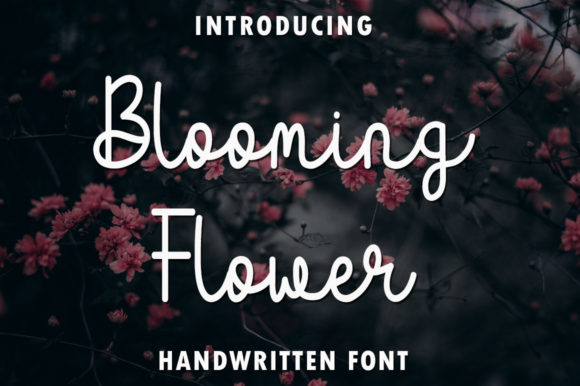
Blooming Flower Font: Elegant Script for Web Design
Blooming Flower is a delicate and elegant handwritten font that brings a sense of artistry to digital design. Its well-rounded letters and flowing strokes make it ideal for web projects that require a touch of sophistication and warmth. As a script font, it adds personality without overwhelming the layout, making it a go-to choice for designers looking to balance creativity with clarity.
Designed with both aesthetics and usability in mind, Blooming Flower works well in a variety of digital contexts. From website headers to social media graphics, its versatility allows it to adapt to different design needs while maintaining a cohesive visual identity. Whether used for a creative portfolio or an online store, this font enhances the overall feel of a brand without sacrificing legibility.
Using Blooming Flower in Web Design
Web designers often seek fonts that can elevate the look of a site while still being easy to read. Blooming Flower fits this need perfectly. Its smooth curves and open letterforms ensure that it remains readable even at smaller sizes, making it suitable for headings, buttons, and short phrases. When used in hero sections or call-to-action areas, it draws attention without disrupting the flow of content.
For landing pages and product sales pages, Blooming Flower can be used to highlight key messages or create a more inviting tone. It pairs well with modern sans serif fonts for body copy, offering contrast that helps guide the user’s eye through the page. This font is especially effective when used as a decorative accent, adding a personal touch to logos, banners, or section titles.
Enhancing Visual Hierarchy and Brand Tone
Visual hierarchy is essential for guiding users through a website. Blooming Flower can play a key role in this by serving as a strong, distinctive headline font. Its unique style makes it stand out, helping to establish a clear focal point on the page. When paired with a simpler typeface, it creates a balanced structure that supports both readability and aesthetic appeal.
The font’s soft, flowing nature also contributes to a brand’s tone. It conveys approachability, creativity, and elegance—qualities that are valuable for businesses in the fashion, wellness, or lifestyle industries. For a coaching website or a boutique online store, Blooming Flower can help communicate a sense of care and individuality that resonates with the target audience.
Best Practices for Digital Readability
When using Blooming Flower in digital environments, it’s important to consider how it performs across different screen sizes and backgrounds. On mobile devices, keeping text size consistent and avoiding excessive spacing ensures that the font remains legible. For dark backgrounds, using a lighter weight or adjusting the contrast can improve visibility without losing the font’s character.
In responsive layouts, testing the font at various breakpoints helps maintain its visual integrity. For small buttons or image overlays, limiting the use of Blooming Flower to short text ensures that it doesn’t become too distracting. Designers should also pay attention to line height and letter spacing to prevent overcrowding, especially in multi-line sections.
Font Pairing and Design Integration
Pairing Blooming Flower with other fonts can enhance the overall design language of a project. A common approach is to combine it with a clean sans serif font for body text, creating a contrast that improves readability. This pairing works well for blog headers, course pages, or content-heavy websites where clarity is essential.
For a more editorial feel, pairing Blooming Flower with a serif font can add depth and refinement. This combination is ideal for portfolio sites, magazine-style layouts, or branded web experiences that aim for a polished, professional look. The key is to maintain a visual balance that supports the message and purpose of the design.
Considerations for Commercial Use
When incorporating Blooming Flower into commercial projects, it’s important to check the licensing terms. Many premium fonts offer specific licenses for web use, ensuring that they can be embedded in websites, apps, or digital templates without legal issues. Designers working on client projects or online stores should verify that the font’s license covers all intended uses.
Additionally, considering the font’s file formats and webfont availability can streamline the implementation process. Supporting multiple weights and alternates gives designers more flexibility when crafting different typographic elements. For multilingual projects, checking the font’s character set ensures that it works across different languages and scripts.
Applying Blooming Flower to Real-World Projects
For a creative portfolio, Blooming Flower can be used in the header or as a signature element, adding a personal and artistic flair. In a boutique online store, it can appear on product banners or checkout buttons, reinforcing a brand’s unique identity. On a coaching website, it can be used for feature highlights or testimonials, creating a more engaging and relatable experience.
When designing a course sales page, Blooming Flower can draw attention to key selling points, such as “Enroll Now” or “Join Today.” Its handcrafted feel adds a human touch that complements the content. For a blog header, it can serve as a striking title that sets the tone for the entire site.
Final Thoughts on Blooming Flower
Blooming Flower is more than just a pretty font—it’s a tool that can shape the look and feel of a digital project. Its blend of elegance and practicality makes it a valuable asset for web designers, UI creators, and brand builders. By understanding its strengths and limitations, designers can use it effectively to enhance readability, visual hierarchy, and brand consistency.
Whether you’re working on a personal project or a client’s website, Blooming Flower offers a versatile and expressive option that aligns with modern design trends. With careful application, it can transform a simple layout into a visually compelling experience that resonates with users and strengthens brand presence.